
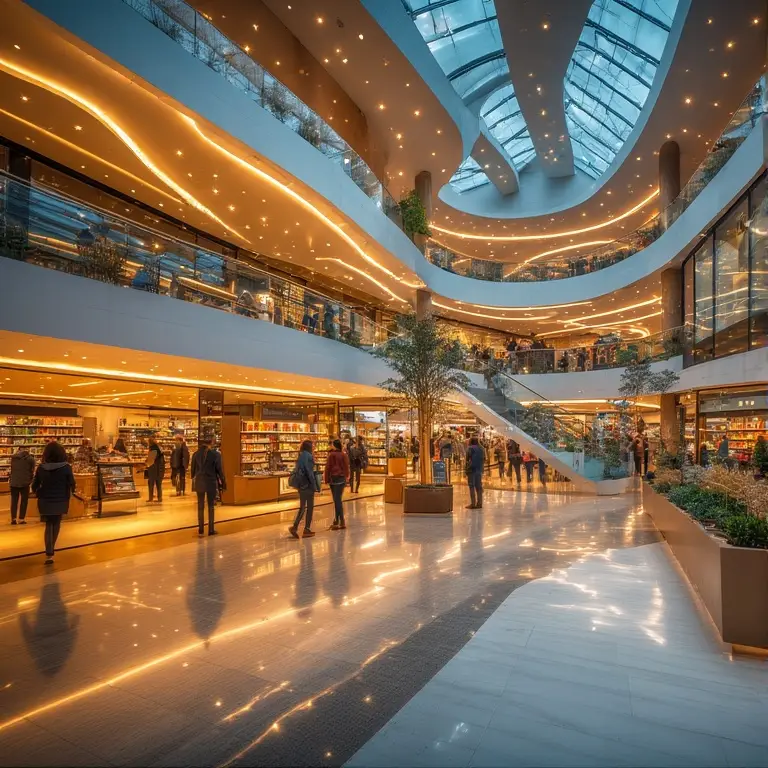
“Experiences and Innovation: The New Face of High Street Retail”
While closures dominate headlines, parts of the UK high street are evolving. New experiential formats and hospitality‑led spaces are helping to draw visitors, with brands like Grind launching novel concepts and local independents thriving where community engagement is strong.
Main Story
If the narrative of the UK high street over the past decade has been one of decline, a quieter but meaningful counter‑trend is now emerging: the reinvention of retail spaces through experiential and hospitality‑driven innovation.
One of the most conspicuous examples this month comes from London’s bustling transport hub — where Grind, a coffee brand known for its premium blends and lifestyle positioning, is launching a new travel café experience at Waterloo Station. This stand‑alone site marks Grind’s first foray into commuter‑focused retail, promising barista‑quality coffee, brunch offerings, and even cocktails tailored to busy travellers. The Sun
The move isn’t just about coffee. Analysts see such concepts as part of a broader trend: high streets and transit hubs are increasingly blending food, leisure, and social space with traditional retail, helping to drive footfall not purely for purchase but for experience. These hybrid formats aim to catch the growing segment of consumers who seek convenience, community, and quality when they venture out.
This aligns with ongoing research highlighting the pivotal role of hospitality in revitalising high street performance. A recent industry report underscores how cafés, restaurants, and independent food‑led venues are frequently the largest drivers of spending and visits in urban retail corridors. Cities like Manchester, York, and Brighton — where dining and leisure are intertwined with shopping routes — show evidence of resilience and even growth in visitor numbers. Hand Crafted Drinks Magazine
Independents, in particular, are capitalising on this shift. Research indicates a growing appetite — especially among younger shoppers — for local, unique retailers that foster a sense of community and identity. Nearly half of UK consumers now visit local high streets weekly, with many citing socialising and community engagement as key motivations beyond simple transactions. Retail Rewired
This trend meshes with the broader cultural shift toward localism. Community‑oriented shops, artisan services, and independent fashion or lifestyle boutiques are often seen as more than outlets — they are destinations. Retail experts argue that these micro‑ecosystems help anchor high streets, providing reasons for repeat visits that bricks‑and‑mortar stores specialising purely in product may struggle to match.
Policy and property stakeholders are taking note. Town planners and councils in several regions are experimenting with mixed‑use development, incentives for experiential retailers, and reduced rates for businesses that commit to community‑enhancing concepts. High streets that execute this blended vision — where eating, leisure, entertainment, and boutique retail co‑exist — tend to see higher overall footfall and longer dwell times.
Of course, not all high streets can pivot easily. Larger chain closures still leave significant vacancies, and many town centres lack the infrastructure or investment to upscale their offer quickly. But where grassroots innovation flourishes, the outlook can be more positive than headlines suggest.
Industry observers emphasise that experiential retail will not replace traditional commerce entirely, but it complements it, creating ecosystems that feel vibrant and multifaceted — a stark contrast to the mono‑retail corridors of past decades. As consumer behaviour evolves, successful high streets will be those that adapt in tone, purpose, and experience, rather than merely hoping footfall returns to pre‑online levels.